Life
Ask a Retirement Coach: How do I successfully transition to retirement while working part time?
A gradual career exit gets a lot of praise in financial planning circles and HR brochures. It’s marketed as the smart, sensible, soft-landing version of stepping away. And in many ways, it is. But almost no one talks about how uncomfortable that middle stretch can be.

Dear Retirement Coach;
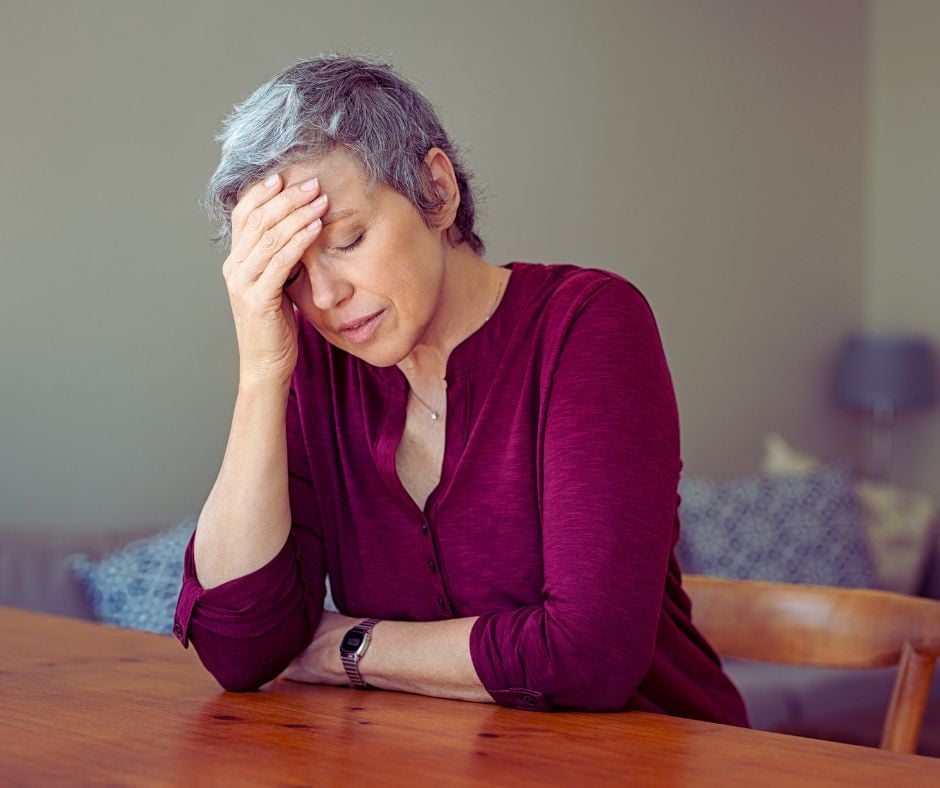
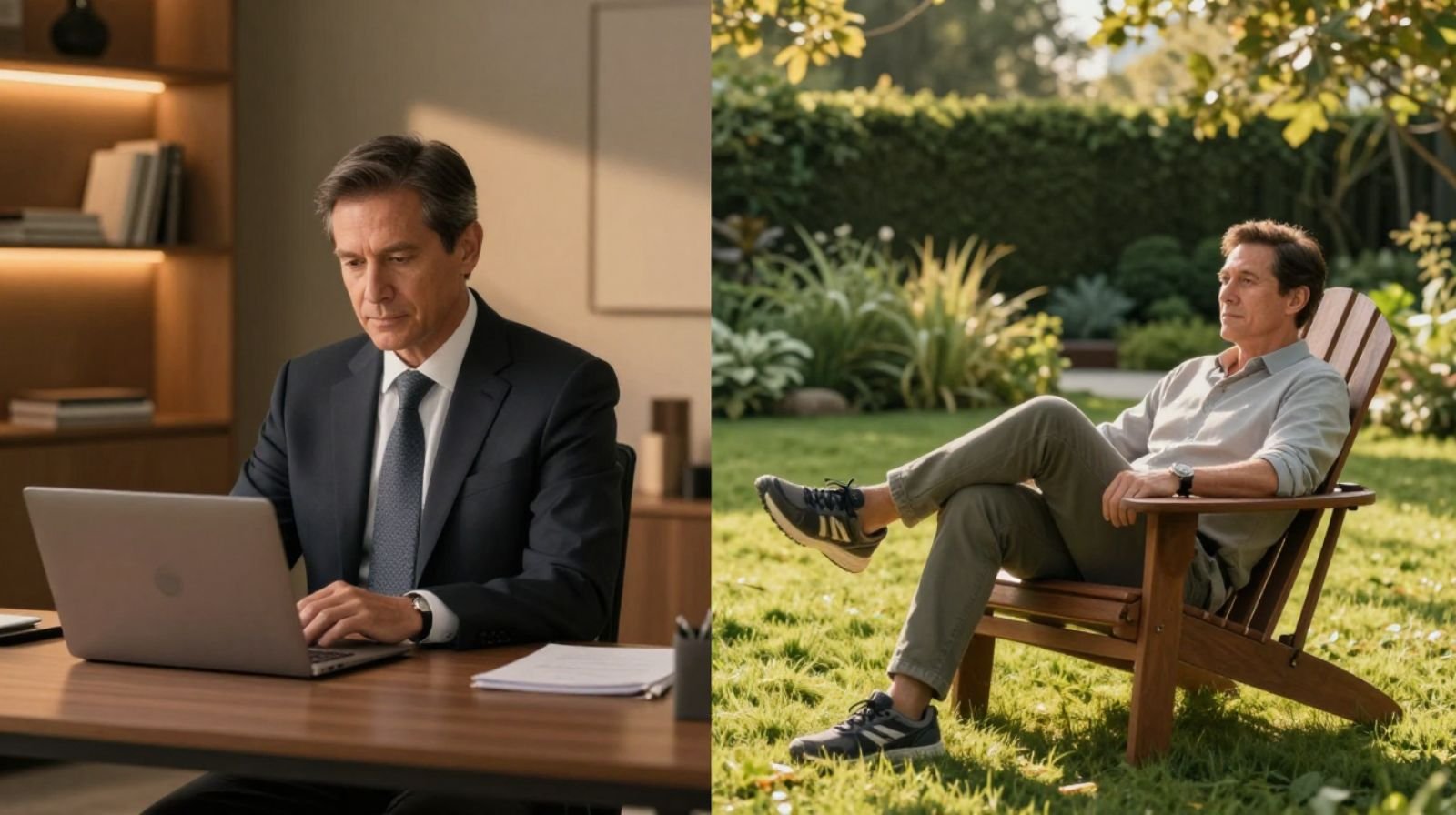
About six months ago, I started cutting back at work, three days a week now, with the plan to be fully retired by year-end. It seemed like a smart move. Everyone around me said it was. Honestly, I thought I was being so wise about this. But here's the thing, I feel uncertain.
On my work days, I'm only half there. On my days off, I can't seem to settle. I'm not retired enough to relax, but I'm not working enough to feel like I'm doing anything that matters. I keep waiting to feel some kind of relief, but instead I just feel… stuck in between.
Was this the wrong call? Or is this just what it feels like to be in the middle of it?
Hovering Between Two Worlds
Dear Hovering Between Two Worlds,
First, let me say this clearly: you didn’t make a mistake.
What you’re describing isn’t a sign that easing out was the wrong choice, it’s a sign that you’re actually living it. And almost no one talks about how uncomfortable that middle stretch can be. A gradual exit gets a lot of praise in financial planning circles and HR brochures. It’s marketed as the smart, sensible, soft-landing version of stepping away from a career. And in many ways, it is.
But what doesn’t get discussed nearly enough is what it actually feels like to live inside that in-between space, and how disorienting it can be when neither identity feels fully yours anymore.
So before we go anywhere else, take a breath. You’re not broken. You’re not behind. You’re in the middle of something, and the middle, by definition, is the most awkward part.
The Discomfort of the In-Between
There’s a reason this feels strange. For decades, your identity, your structure, and your sense of purpose were tied to a clear role. You knew who you were on a Monday morning. You knew what mattered. You knew where you stood.
Stepping back gradually quietly removes that clarity, but doesn’t replace it with anything yet. You’re not fully a working professional anymore, but you’re not yet living the open, unstructured rhythm of retirement either. You’re standing in the doorway. And doorways aren’t built to be lived in. They’re built to be walked through.
That hovering feeling? That’s not failure. That’s the doorway.
What No One Tells You About Phased Retirement
The pitch for stepping down gradually usually focuses on the practical: less stress, smoother handoffs, financial cushion, time to adjust. All true. What’s rarely mentioned is the psychological piece. You’re being asked to slowly let go of an identity you’ve spent thirty or forty years building, while still showing up in the role part-time.
It’s emotionally complex. You’re grieving something that hasn’t fully ended. You’re starting something that hasn’t fully begun. And both of those things are happening at the same time, on alternating days of the week. Of course you feel adrift. Anyone would.
The Real Work of This Phase
Here’s where I’d gently shift the conversation. The question isn’t “Did I choose the wrong path?” The better question is “What is this phase actually asking of me?”
Because this kind of transition isn’t just a scheduling change. It’s an invitation to start designing the next version of your life, before the structure of work disappears entirely. Most people don’t get that runway. You do.
So instead of treating your off days as a placeholder until “real” retirement begins, what if you treated them as practice? A chance to experiment, explore, and notice what actually pulls you in. Not big plans. Not a five-year roadmap. Just real, lived information about who you are when work isn’t the main character.
What’s something you’ve been curious about but haven’t given yourself permission to explore?
What does an unscheduled Tuesday actually feel like, and what does it bring up?
Where do you find energy on your off days, and where do you lose it?
This isn’t about staying busy. It’s about staying awake to what’s surfacing.
On Feeling Half-Present at Work
The other piece worth naming: it’s completely normal to feel emotionally checked out on your work days. You’ve already started letting go. That’s transition.
That said, it might help to get intentional about how you want to use these remaining months. Not to perform productivity, but to close this chapter the way you’d want to remember it.
Who do you want to mentor before you leave?
What knowledge do you want to pass on?
Which relationships matter enough to deepen on your way out?
A gradual exit is a rare gift in this way, it gives you the chance to leave well. Not abruptly. Not unfinished. But with intention.
The Hovering Will Pass
Here’s the part I most want you to hear: the in-between doesn’t last forever. It feels permanent right now because you’re standing in it, but it’s a phase, not a final destination.
The discomfort you’re feeling is the friction of becoming someone new while still being someone old. That friction quiets over time, especially when you stop fighting it and start working with it.
You’re not stuck. You’re transitioning. There’s a real difference.
Stuck is when nothing is moving. Transitioning is when everything is shifting underneath the surface, even if you can’t quite see it yet.
So my invitation to you is this: stop measuring your progress by how settled you feel. Start measuring it by how honestly you’re paying attention. That’s the real work of this transition; not the hours you cut, but the awareness you build along the way.
You chose this path for a reason. Trust it. And trust yourself to walk through the doorway when you’re ready. A few questions to sit with:
What does your gut tell you is missing right now? Connection, structure, purpose, rest, or something else entirely?
On your off days, when do you feel most like yourself? When do you feel least?
If you knew this hovering feeling would pass, what would you do differently in the meantime?
You don't have to answer these all at once. Let them sit with you: on a walk, in the quiet of an early morning, or in one of those unscheduled Tuesdays.
The clarity you're looking for usually arrives in moments like those, when you've stopped trying so hard to find it.
Warm regards,
Toni Petrillo
Retirement Lifestyle Consultant Founder, Retire With Intention