Life
Lonely But Needing Privacy: Why Older People Reject Senior Housing Solutions
As social worlds shrink, older adults may experience emotional issues including loneliness. But moving to senior housing options also has some limitations - most importantly someone's privacy.

A Pervasive Problem
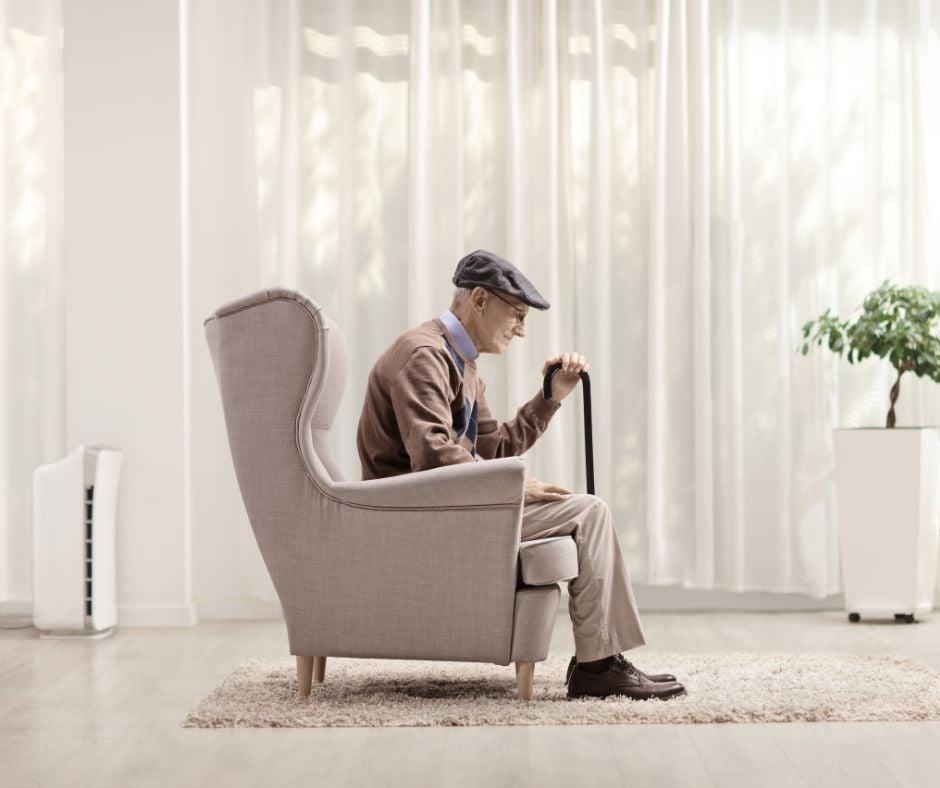
As we age, we often worry about declines in our health and mobility and how these changes might disrupt our familiar routines. But we face another serious and often underappreciated threat: the gradual erosion of our social connections and the prolonged loneliness that follows.
The risks are real.
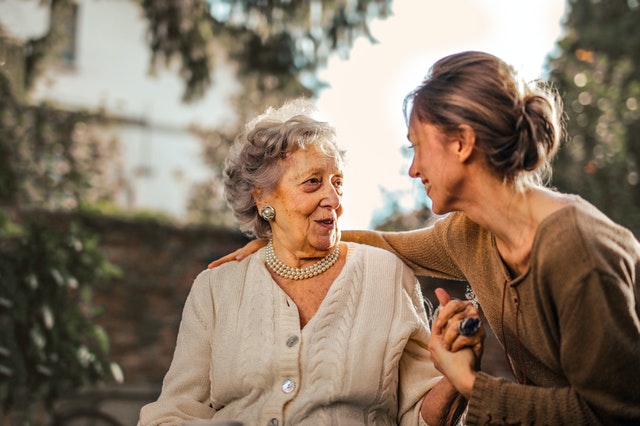
Over time, the loss of a spouse, partner, close friend, or even a neighbor can leave a profound void in older people's lives. Retirement can also sever long-standing work relationships.
As social worlds shrink, older adults may experience emotional issues, such as anxiety and depression, as well as serious physical health problems, such as cardiovascular disease. Research even links loneliness to a shorter life expectancy.
Understanding these linkages is critical. About 25% to 30% of adults aged 65 and older in the United States and Canada live alone, and loneliness is more common in smaller households. These rates are even higher among women and those aged 75 and older, groups that make up a growing share of the population.
Of course, older people receive endless advice on how to combat loneliness. Experts urge them to become more socially active by volunteering, joining clubs, attending senior centers and religious gatherings, participating in group therapy, or hanging out with a younger crowd. They also promote digital options for nurturing social connections, such as FaceTime or Zoom conversations or virtual relationships with social robots.
While well-intentioned, these solutions often fall flat. Social circles can be hard to break into, especially for less outgoing individuals. Moreover, digital or robotic interactions rarely match the authenticity of real face-to-face human connections.
Promising Housing Solutions Also Recommended
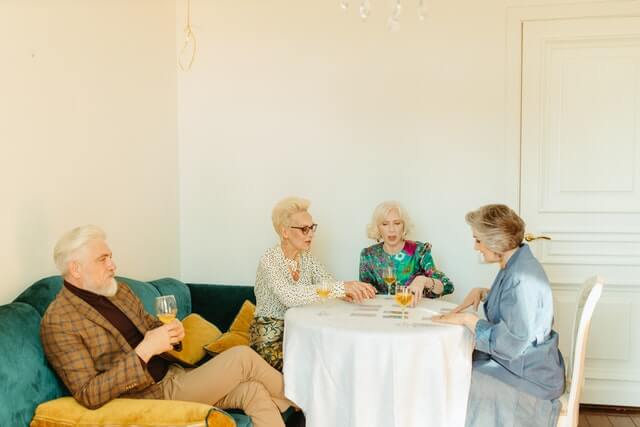
Other professionals recommend more life-changing strategies to address loneliness, offering a tantalizing menu of senior housing options to enhance social engagement. Older adults are encouraged to familiarize themselves with terms such as accessory dwelling units (mother-in-law suites/granny flats), cohousing, house sharing, village centers, age-restricted communities, senior apartments (independent living communities), assisted living, group homes, and continuing care retirement communities.
The Common Thread in Residential Alternatives
We are able to find detailed descriptions of these housing antidotes to loneliness elsewhere, but they all share a critical commonality. Even when older occupants have private bedrooms with locked doors, they must share some or all of their other communal spaces - kitchens, dining rooms, sitting areas, and recreation centers - with others, whether related or not. Furthermore, even within their private quarters, they remain within earshot of their neighbors' comings and goings.
The Hidden Trade-Off: Loss of Privacy
These shared, close-knit living arrangements are often dealbreakers. While professionals view them as a practical way to fend off loneliness, older occupants fear losing control over their social lives - specifically, who they must talk to, how they spend their time, and when they are expected to lend a hand.
Instead, they prefer having personal spaces with clear boundaries where they can go about their day without others watching, disturbing, judging, or depending on them. Many do not want forced intimacy or the pressure to belong.
Solitude is not something to avoid, but rather is essential for reflection, reminiscing, or grieving in peace. The prospect of having less privacy in their own homes is no trivial matter; without it, they feel their independence is threatened, and their self-esteem undermined.
This strong need for privacy also explains why many older individuals hesitate to expand their social circles found in their neighborhoods, surrounding communities, or through digital connections.
Ten Privacy Commandments
Older adults use at least ten distinct privacy strategies, prioritizing some over others;
Spend time on my terms: I determine if I perform my activities and rituals alone. If I want to spend my mornings in bed, reading a book, or playing computer games, that is my business.
Choose my companions: I choose who enters my life or stays out. I choose who I eat with, exercise with, talk to, care about, or simply hang out.
Escape the judgment of others: I do not want others observing and judging my physical appearance, wardrobe, or grooming habits.
Keep my biography private: My personal history and intimate life details are mine, and I am highly selective about sharing them.
Hide my frailties: I decide whether to reveal my vulnerabilities and physical limitations, such as difficulty walking or using mobility devices like canes, walkers, or wheelchairs.
Require solitude: I need periods of peace and quiet when I am not being observed or stimulated by others, so I can be alone with my private thoughts, reminisce, and reflect on life.
Create a defensible space: Inside my home or apartment, I want to block or filter "outside" intrusions on my senses, controlling what I must see, hear, or smell beyond my walls.
Restrict digital surveillance: I want to regulate the virtual intrusions from AI (artificial intelligence)-capable wearables, personal digital assistants, and in-home sensors. I choose who monitors and responds to my behaviors, health status, and finances.
Free myself from the burdens of others: I do not want to deal with the unmet needs and vulnerabilities of those around me.
Maintain my self-reliance: Having solved my problems throughout my life, I want to care for my own body without relying on others.
Pick Your Poison
We face an obvious dilemma: avoiding loneliness and maintaining privacy are often at odds. A highly private life can increase social isolation and the pains of loneliness, while robust social ties can often compromise privacy and all its personally intrusive downsides.
The Takeaway
Older adults differ sharply in what they are willing to sacrifice.
For some, "aging in the right place" means avoiding the ache of loneliness at all costs. For others, preserving privacy and controlling personal space is paramount. Many older people probably hold positions in between. Choosing a comfortable, enjoyable housing arrangement that preserves independence and dignity is a deeply personal matter.
So yes, loneliness matters, but so does privacy. Family members, caregivers, service providers, and housing professionals may hold different views, but they must acknowledge older people's privacy sensitivities and address them with care and deference.
Otherwise, we will continue to promote housing solutions that they quietly reject.