Life
Key Learnings From an Older Person's Fall: The Importance of Neighbours and Technology Limitations
When an older person falls we often believe that technology will be there to help. But as Dr. Stephen Golant personally learned, there are gaps between the promise of aging-in-place technology and what actually happens in a moment of crisis. It also highlighted the quiet but critical role neighbours can play when something goes wrong.

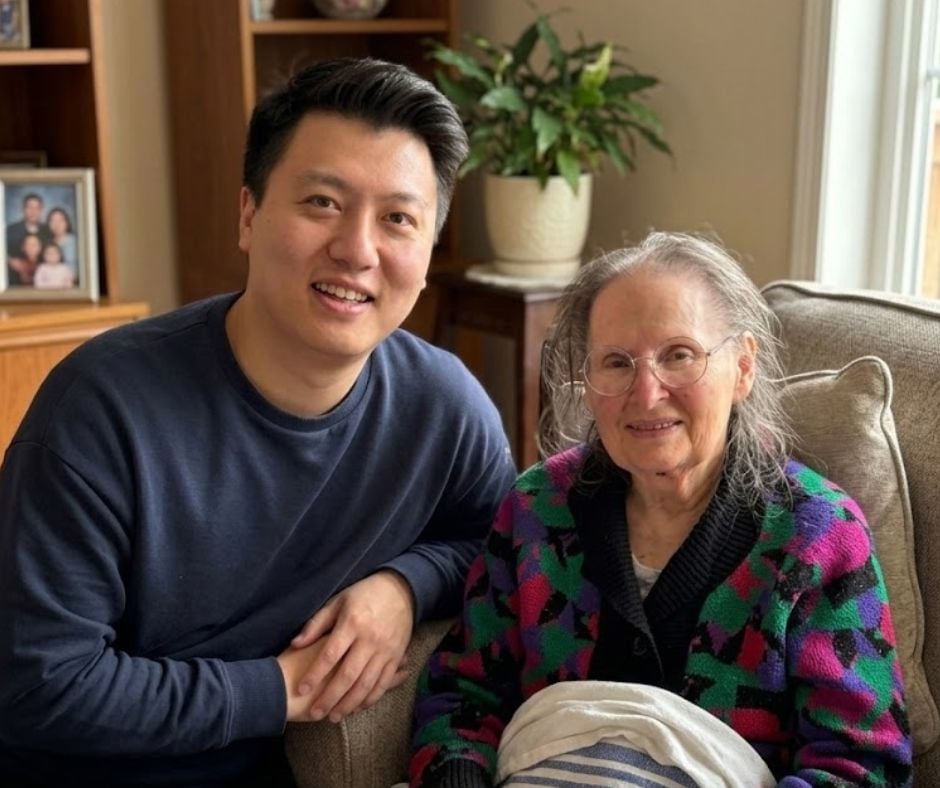
A fall involving an older person is hardly newsworthy - it's so common. More than one in four older adults have such accidents each year. However, it remains crucial to continually highlight the severe injuries and lengthy recovery times that often follow. These outcomes are typically worse than those faced by younger people.
And, behind these statistics are personal stories of how these falls can wreak havoc on an older person's quality of life. This is one of them.
Why Falls are So Dangerous in Later Life
As we age, bones lose density and become more fragile, which raises the risk of fractures. Muscle weakness, balance issues, and slower reflexes also become more common. These changes make it harder to "catch" ourselves when we stumble or to break a fall with our hands. Instead, our bodies absorb the impact.
Head injuries are also more serious because older adults are more susceptible to internal (intracranial) bleeding even after moderate hits. Other conditions - such as heart disease, diabetes, arthritis, or cognitive decline - can slow healing or increase surgical risks.
Even after recovery, many older adults never fully regain their previous mobility. Others, fearing another fall, understandably start limiting their activities.
But This Story's Fall Is Not What You Might Expect
What made this fall different was its cause. It did not involve a home's familiar hazards - slippery floors, steps, throw rugs, or household clutter. It also did not occur due to trips or slips in the common areas of a high-rise building, such as a lobby, parking area, or hallway, caused by poor lighting or floor conditions. And it did not happen outdoors, while walking on an icy, wet, or poorly maintained sidewalk, or stepping off a curb. It was also not caused by any of the multiple medications older people take, which can leave them light-headed or unsteady.
Moreover, this was not the kind of accident often experienced by active older adults in their 60s or 70s - those who fall while playing sports or when they overenthusiastically tackle ambitious home repairs.
No - this fall happened because an older woman was simply trying to maintain a healthy lifestyle, something healthcare professionals recommend.
She was neither a triathlete nor a sports enthusiast. Challenging stereotypes, she was nearly 89 and trying to stay active, despite having already experienced a few minor falls at home. She also sometimes relied on a walker to reach a nearby store.
A Healthy Walk Turns Into a Nightmare
On a cold winter morning, restless after spending too much time indoors, she took the elevator down to the exercise room in her high-rise condominium. She stepped onto a treadmill expecting a relaxing walk. Instead, this simple activity turned into a nightmare. For unknown reasons, the treadmill suddenly sped up. She lost her footing and was flung off.
Her body sustained severe injuries - both shoulders fractured and dislocated, torn fascia, and a broken rib. At any age, these injuries are serious; at 89, they can be life-changing. Recovery might take months, and there is always the fear that the strength and agility needed for independent living might never fully come back.
When Technology Was Not Enough
After falling, she lay helpless on the fitness center floor. The room was hidden from the lobby and elevators. No concierge could see her, and no passerby could hear her calls for help.
Worse, the device that usually protected her was missing. Like many older adults, she owned a fall-alert pendant that could summon emergency help with the push of a button or a verbal command. She wore it faithfully inside her apartment. But that morning, she took it off before exercising so during this accident it sat uselessly on a nearby table beside her telephone.
The Rescue
Her salvation didn't come from advanced monitoring technology linked to an emergency helpline but from something much simpler and old-fashioned. It was the actions of a real person, a neighbor who happened to be exercising on a nearby treadmill. Although he lived right next door to her, they were not close - just the occasional smile and nod when passing in the hallway.
However, even those previous casual encounters proved precious. When he saw her sprawled on the floor, his response was quick and remarkable. He called an ambulance, stayed with her until it arrived, and then telephoned her only close family member - a brother who lived more than 1,200 miles away in Florida.
That phone call conveyed crucial information: the hospital's name and address that would soon become her temporary home.
Then, in a remarkable and selfless act of kindness, he rode in the ambulance with her during the fifteen-minute trip to the hospital and stayed there until she was safely settled into an emergency room bed.
Why This Story is Personal
The injured woman was my sister, Annette, who lives alone in a high-rise condo in Toronto (North York). And the much younger neighbour - David - is now my new hero and friend, even though we live in different countries miles apart.
A Lesson About Human Connections
This experience reminded me that genuine human interactions still matter enormously. Not the FaceTime or online Zoom kinds, but the face-to-face, physically-present variety. In fact, it has made me rethink the tone of some of my recent writings.
I have often highlighted the growing importance of gerontechnology solutions in helping older adults "age in the right place." I have highlighted that homes can serve as environmental monitoring hubs and digital control centers, enabling older adults to live more safely and independently while managing health challenges.
I still believe this.
But even as these new technological solutions become more relevant, we must temper our enthusiasm. No digital device, sensor, or artificial intelligence bots can fully replace a sympathetic neighbor who notices a problem, acts quickly, and refuses to leave someone alone during a frightening moment.
Perhaps someday, sentient humanoid robots will provide emotional support comparable to that of humans—but we are not there yet.
What Older Adults Can Learn From This
So, what are the takeaways from this unfortunate accident?
First, aging bodies change. Even when we feel energetic and motivated to stay active - as we should - we must recognize that our strength, agility, and reflexes may not be what they once were. Exercise remains essential, but it should be done thoughtfully and cautiously. Whenever possible, it may be wise not to exercise alone.
Second, technology still plays a vital role. Installing fall-alert systems can notify family members or emergency services when an accident or sudden illness happens in someone's home. Older devices that require pressing a button or calling out remain helpful. But even better are passive fall-detection systems that use wall- and door-mounted sensors to identify unusual movements and health issues, automatically signaling for help if the person cannot.
Since many activities occur outside the home, older adults might also consider wearable devices equipped with accelerometers, GPS, and cellular connectivity that can detect falls wherever they happen and call for help.
Third - and perhaps most important - older adults must foster social connections. As this story powerfully demonstrates, neighbours can be lifesavers. The person next door is not just someone to borrow that proverbial cup of sugar from, or who can help ease loneliness. In a moment of crisis - after a fall, sudden illness, or other emergency - it is often an attentive, compassionate neighbour who can respond first and offer the quickest, most effective help.
The Bottom Line
Older adults today are healthier and more active than any previous generation. Even in our 80s and beyond, we should pursue active, meaningful lives. However, we must do so with awareness and humility.
And we should never forget that sometimes the strongest safety net of all is a caring human nearby.