Health and Technology
My AI Wellness Experiment: Day 19 - Understanding Biohacking and Seeing Real Results
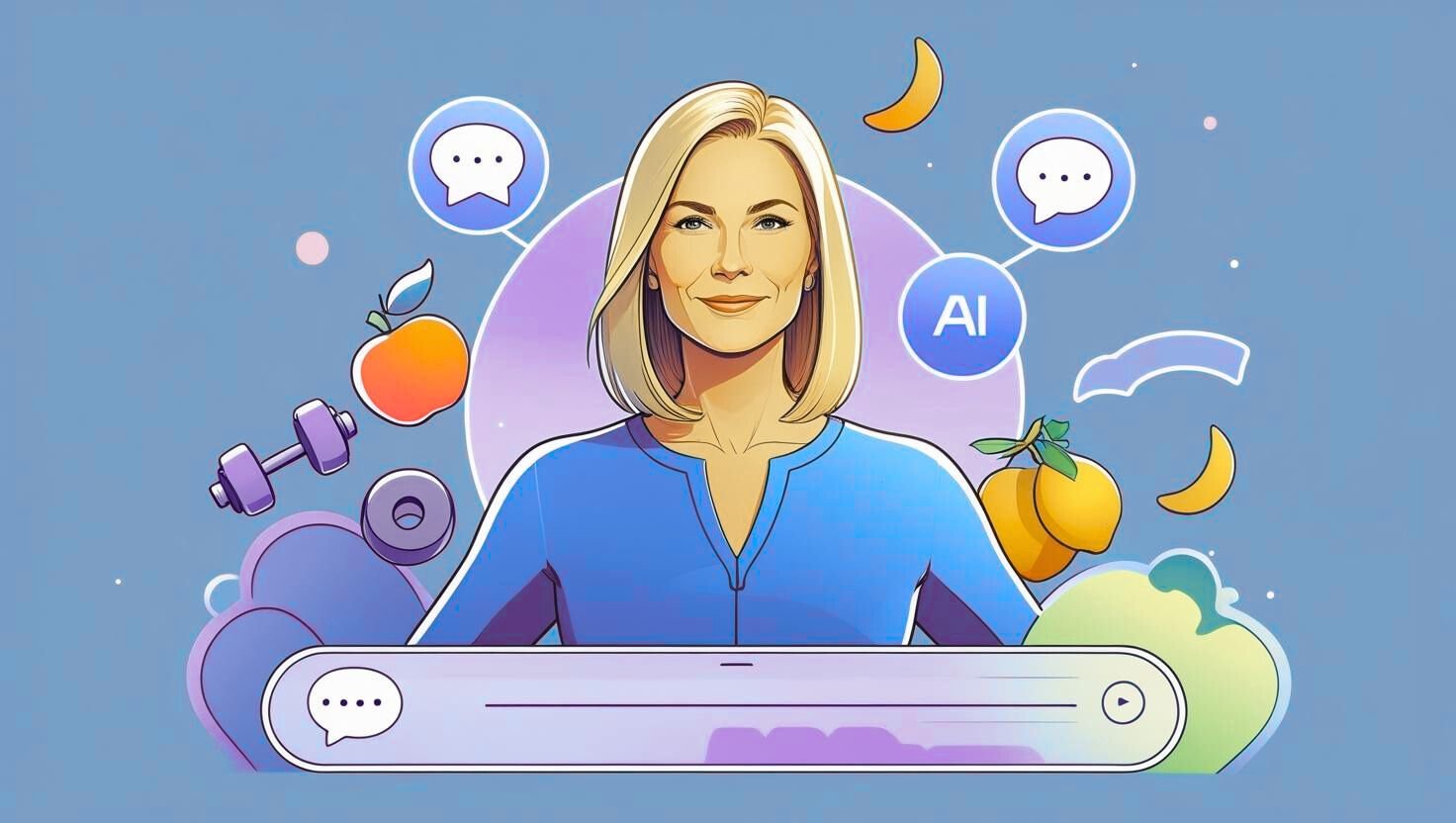
When I mentioned to someone that I'm using AI as a wellness coach, they described what I'm doing as "biohacking." This made me curious about what biohacking actually means and whether that label fits my approach.

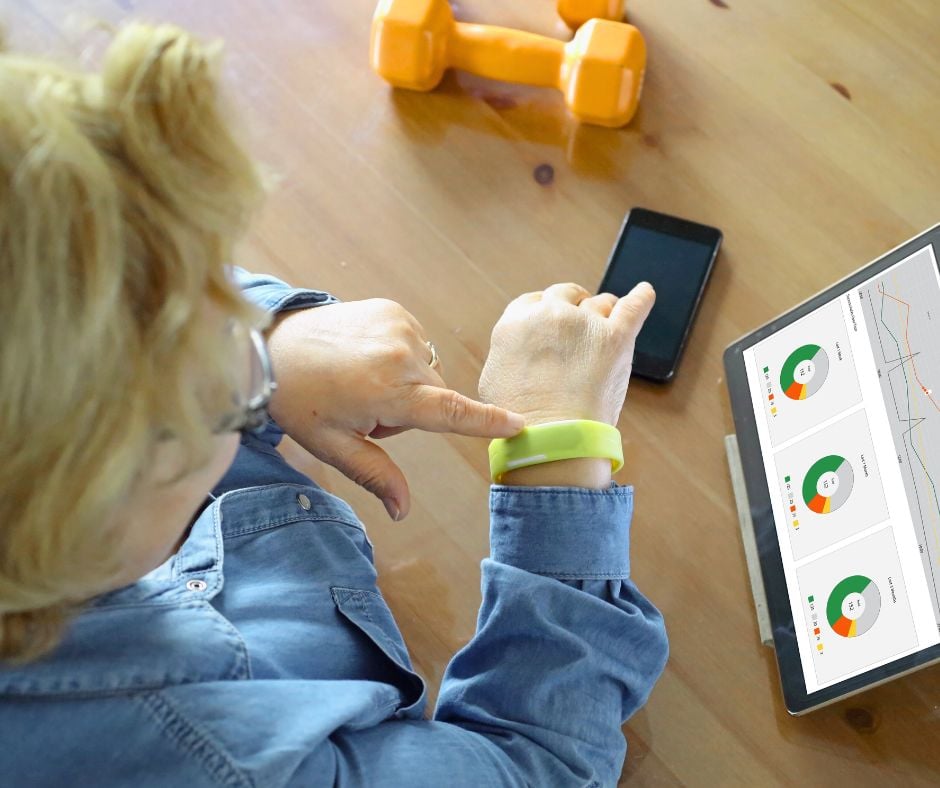
As I settle into the rhythm of my wellness journey, I'm finding that being at home with fewer distractions makes maintaining my routine much more manageable. It's interesting how environment plays such a crucial role in habit formation and decision-making.
The Biohacking Revelation
I had an interesting conversation that got me thinking about what I'm actually doing with this wellness approach. When I mentioned to someone that I'm using AI as a wellness coach, they described what I'm doing as "biohacking." This made me curious about what biohacking actually means and whether that label fits my approach.
Biohacking, as I've learned, is essentially using science, technology, and systematic self-experimentation to optimize your biology and improve physical and mental performance. It's about taking a data-driven approach to understanding and improving how your body and mind function.
My Unintentional Biohacking System
Looking at my current approach, I can see why my friend identified it as biohacking. I'm using multiple layers of technology and data collection:
AI Coaching: Having regular conversations to analyze patterns, get personalized guidance, and work through behavioral challenges
Apple Watch Monitoring: Tracking sleep patterns, heart rate variability, and overall activity levels
Blood Pressure Tracking: Monitoring cardiovascular health as an indicator of overall wellness progress
Food Tracking App: Recording what I eat to understand patterns and maintain accountability
When you put it all together, it creates a comprehensive feedback system where each data point informs the others. This isn't about using expensive gadgets or extreme interventions – it's about leveraging accessible technology to make informed decisions about my health.
The Data is Telling a Story
What makes this approach particularly valuable is that I'm seeing measurable improvements beyond just the number on the scale. Over the past two and a half weeks, my resting heart rate has dropped by about 5 BPM. This is significant because it indicates improved cardiovascular efficiency – my heart doesn't have to work as hard to pump blood throughout my body.
The improvement in my sleep quality has been equally impressive. I'm not waking up nearly as much during the night, which means I'm getting more restorative sleep. This creates a positive feedback loop because better sleep leads to better hormone regulation, particularly cortisol, leptin, and ghrelin – the hormones that affect hunger, stress, and appetite control.
The Connected Nature of Wellness
What's fascinating about tracking multiple metrics is seeing how interconnected everything is. Better sleep contributes to lower resting heart rate. Weight loss often improves sleep quality by reducing inflammation and other physiological stressors. Improved nutrition supports better recovery and cardiovascular function.
This interconnectedness is exactly why a holistic approach makes sense. I'm not just focusing on calories or just on exercise – I'm looking at the whole system and how each component affects the others.
Environment and Routine Management
One thing that's become clear is how much easier it is to maintain my routine when I'm at home without distractions. The controlled environment allows me to make deliberate choices rather than reactive ones. This reinforces the importance of setting up your environment for success, which is another aspect of effective biohacking.
When I'm in familiar surroundings with my planned meals and snacks readily available, I don't have to rely on willpower alone. The good choices become the easy choices.
Real Results Beyond the Scale
While I'm pleased with the 4.5 pounds I've lost, these other biomarkers tell a more complete story. My cardiovascular system is functioning more efficiently, my sleep quality has improved significantly, and my body is showing signs of reduced stress and inflammation.
These are the kinds of changes that tend to be sustainable because they reflect fundamental improvements in how my body functions, not just temporary modifications in behavior.
Key Learning
What started as a simple wellness plan has evolved into a systematic approach to understanding and optimizing my health. By using technology to track multiple aspects of my wellbeing and having regular check-ins to analyze the data, I'm able to make informed adjustments and see the real impact of the changes I'm making.
This biohacking approach isn't about being extreme or obsessive – it's about being intentional and informed. It's about using the tools available to understand what works for my body and my lifestyle, then building sustainable habits based on that understanding.
The fact that I can see measurable improvements in cardiovascular health, sleep quality, and overall wellbeing alongside the weight loss tells me that this approach is working on multiple levels. It's not just about changing what I eat – it's about optimizing how my entire system functions.
You may be doing something trendy and just not even realizing it.
Check out tomorrow's post where I learn more about whether a "cheat day" is a good thing to do.
Interested in reading all my experiences and conversations with AIso far? Check them out here!

Related contents

Health and Technology
My AI Wellness Experiment: Day 15 - Separating Hydration Facts from Fiction

Health and Technology
My AI Wellness Experiment: Day 16 - The Great Bread Debate

Health and Technology
My AI Wellness Experiment: Day 17 - The Real Test of Social Eating

Health and Technology