Designing For Aging In Place
Aging In Place expert Scott Fulton discusses how best to prepare to age in place.

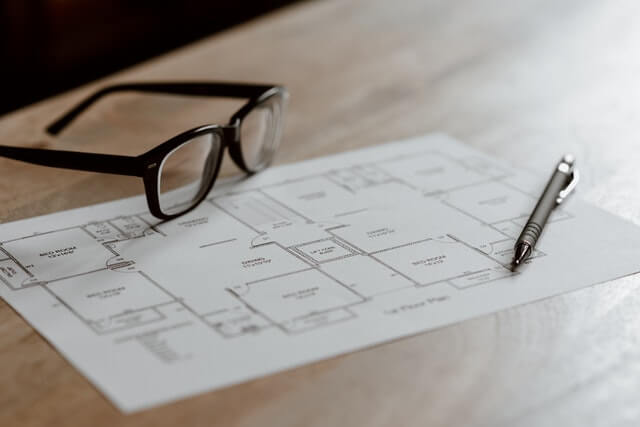
The majority of people are hoping to age in their own homes but in order to do this some changes will likely be necessary. In this Learning Bites segment, Scott Fulton joins us to discuss this topic with us and how we might prepare. Scott is the President, Home Ideations & Chair, National Aging in Place Council. He also is the Founder of The Longevity Advantage as well as an Adjunct Instructor for Longevity and Aging in Place at the University of Delaware. Here is our conversation;
These are some of the highlights from our conversation;
What is aging in place (specifically as it relates to design)?
Aging in place is not something for older people. It really should be considered by those in their 50's and 60's while they are still working and incorporated as part of the whole retirement planning exercise. As much as we need a financial plan to support us in retirement, we also need a home environment that will support us too
It's really about how are we going to get a sustainable home environment and all the liveablility requirements while at the same time keeping us active in our communities and engaged with the bigger world beyond our home
How has this field changed over the last number of years?
Designing for aging in place is a relatively new area of development. The necessity is due to what Scott calls the "boomer inversion". Unlike previous generations, there are going to be more older people requiring support than possibly the current capabilities to support them. As a result we need to be far better planned that our parents and grandparents were especially with our increased longevity
What should people focus on first?
Primary Access to your home
In order to stay engaged and have the ability to have people come and go - it starts with your front door
By having easy access, this is not just for older people it can also work for any age. For example moving a stroller in and out of the house.
Bathrooms
Shower space should be big enough for two people and have no curbs and easy access in an out
It should be fitted with grab bars, temperature controls so you can't get scaled, portable stool and hand controlled shower
It can all be designed so that it doesn't look like it's institutionalized
This should be designed with an expert who knows about aging in place design requirements
Multi story homes
Consider an interior lift (estimate $25K) that can move between floors. Can also act as a dumb waiter to move laundry and items between floors
Location, location, location
If you are in the right community and have easy access to the services and support you need then this is a wise investment - especially if you are able to stay another six months in your home it will pay for itself. If the location is not right, then do not make this investment. It is best to move someplace that will meet your needs
Start early
It's best to start this process early. This way you have more time to plan along with having more choices. The later you leave it the fewer the options and the higher the cost
How should someone get started and what are some of the estimated costs?
Ideally it's best to get started when you're still working so that you have some extra flexibility to support this investment
Some high level cost estimates are;
$5K for easy front entry / walkway
$25K for a lift
For bathrooms, add an extra $1.5K for the extra requirements on a bathroom renovation
Where can people get some ideas?
To get some ideas you can visit Scott's website: Home Ideations or the National Aging In Place Council website.